During June’s Alzheimer’s & Brain Awareness Month, you and your family deserve to hear the facts and make healthy choices. An estimated 7.4 million Americans age 65 and older are living with Alzheimer’s and thus the connection between hearing and cognitive health is now one of preventative medicine’s most important conversations. Let’s learn together.
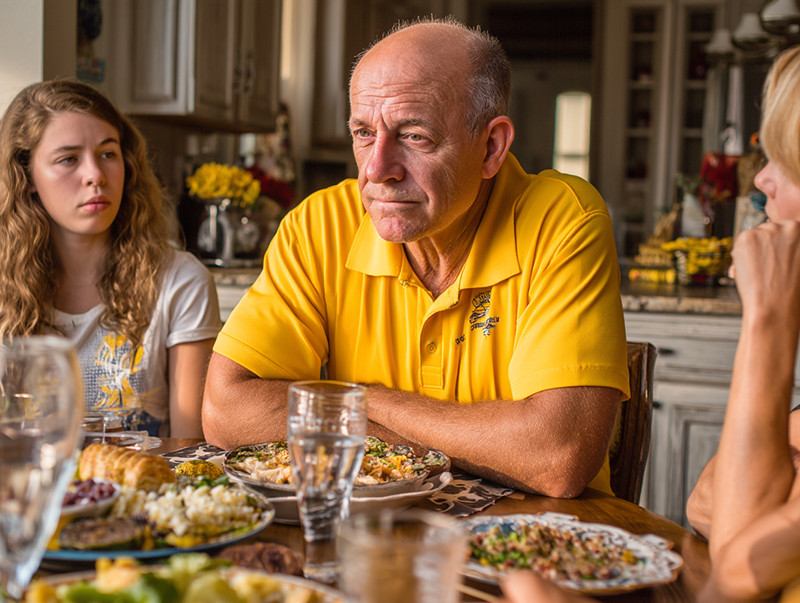
Jacob, a 67-year-old former contractor, spent his life building things with his hands and solving problems for everyone around him. But over time, his daughter Elena noticed small and concerning changes.
He frequently asked others to repeat themselves, missed parts of conversations at family dinners, and found phone calls frustrating. Over time, at an accelerating pace, he withdrew from precious moments previously enjoyed most.
At first, his family feared these could be early-onset signs of dementia. What they didn’t realize was that untreated hearing loss can sometimes present similar to cognitive decline, with extensive research confirming the two may be intertwined.
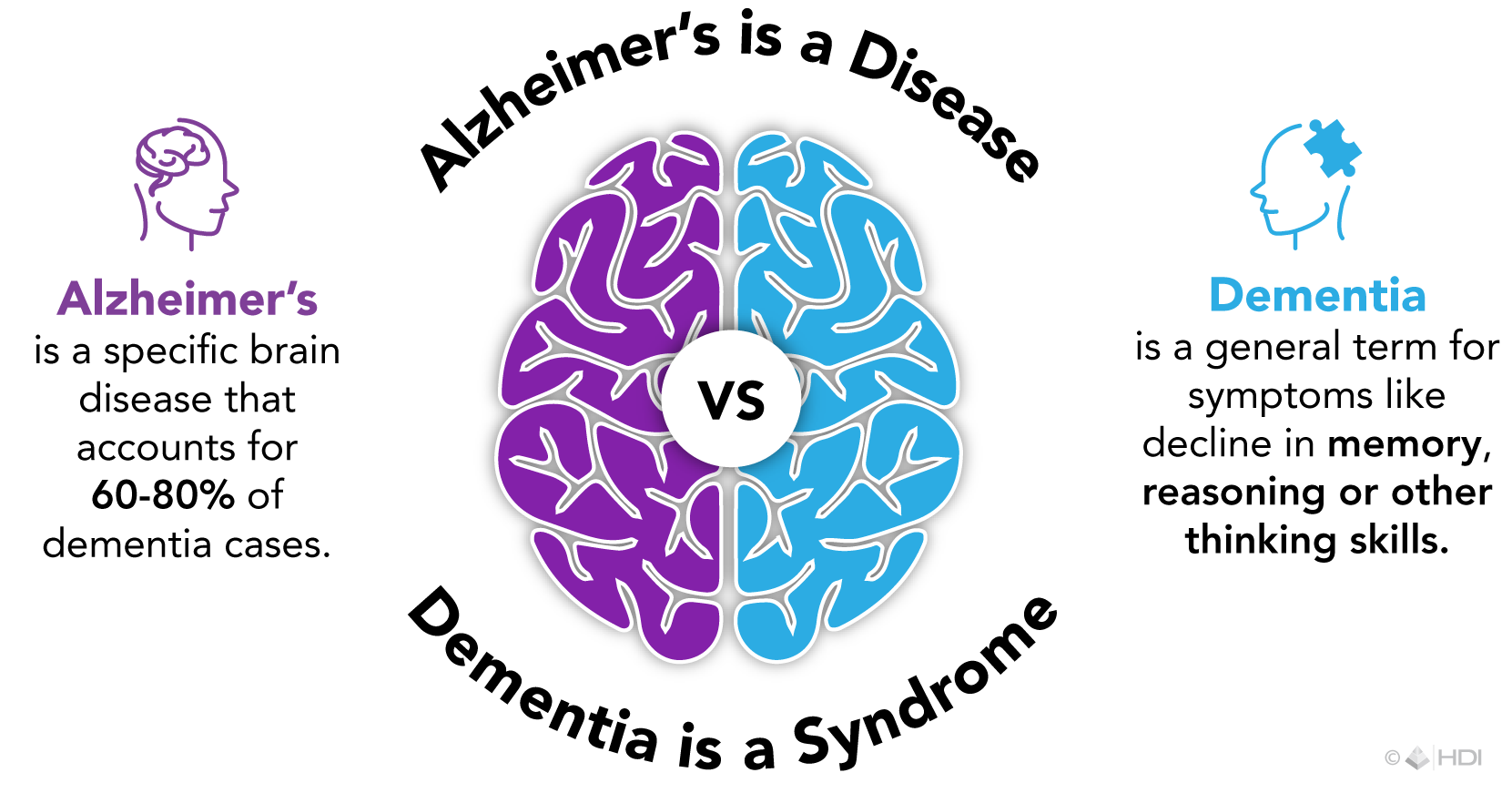
Many are surprised to discover
Alzheimer’s and dementia are not the same thing.
After decades of study, researchers have identified 14 modifiable risk factors that may help prevent, delay, or reduce the severity of nearly half of dementia cases worldwide. Remarkably, in the most recent study and 2 prior ones, hearing loss is shown to be the single most modifiable risk factor among these 14.
|
|
Encouraged by his family to feel a sense of hope, Jacob scheduled a comprehensive hearing evaluation. The results showed moderate hearing loss in both ears, something that had gone harmfully unaddressed for years.
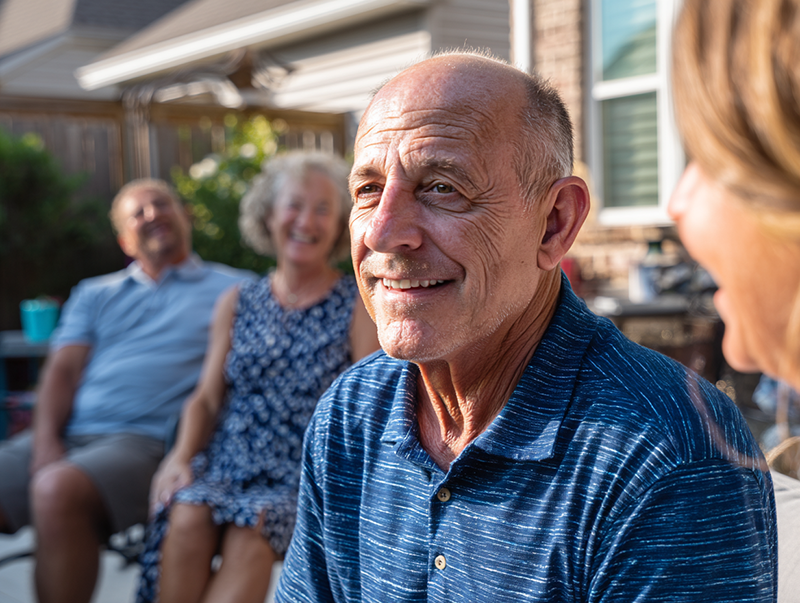
With personalized hearing treatment and compassionate support, Jacob began reconnecting with the people and moments he loved most. As daily conversations became easier and family dinners felt enjoyable again, prior worries faded and confidence in social settings was regained.
Now is the time to take control. If any of these signs feel familiar to you or a loved one, a comprehensive hearing evaluation is a sensible action step. Our highly skilled team will expertly guide your healthy journey with actionable wellness information, personalized solutions, and kind care that will delight you every step of the way.
Your future self, your loved ones, and brain will all be Happy to Hear!
1 Livingston, G., Huntley, J., Sommerlad, A., et al. (2024). Dementia prevention, intervention, and care: 2024 report of the Lancet Commission. The Lancet. https://doi.org/10.1016/S0140-6736(24)01296-0