Your brain constantly takes in and processes sounds from your surrounding environment. The hum of an appliance, footsteps approaching, a door opening, or even the signal of your own movement can provide subtle clues about the space around you. Think of this as your daily SoundScape.
Balance is best understood as a three-part system involving vision, touch, and the inner ear’s vestibular system. Less recognized is hearing’s supporting role. Everyday sounds can act as audiologic landmarks, giving the brain essential information about your place in the space and what is happening around you.
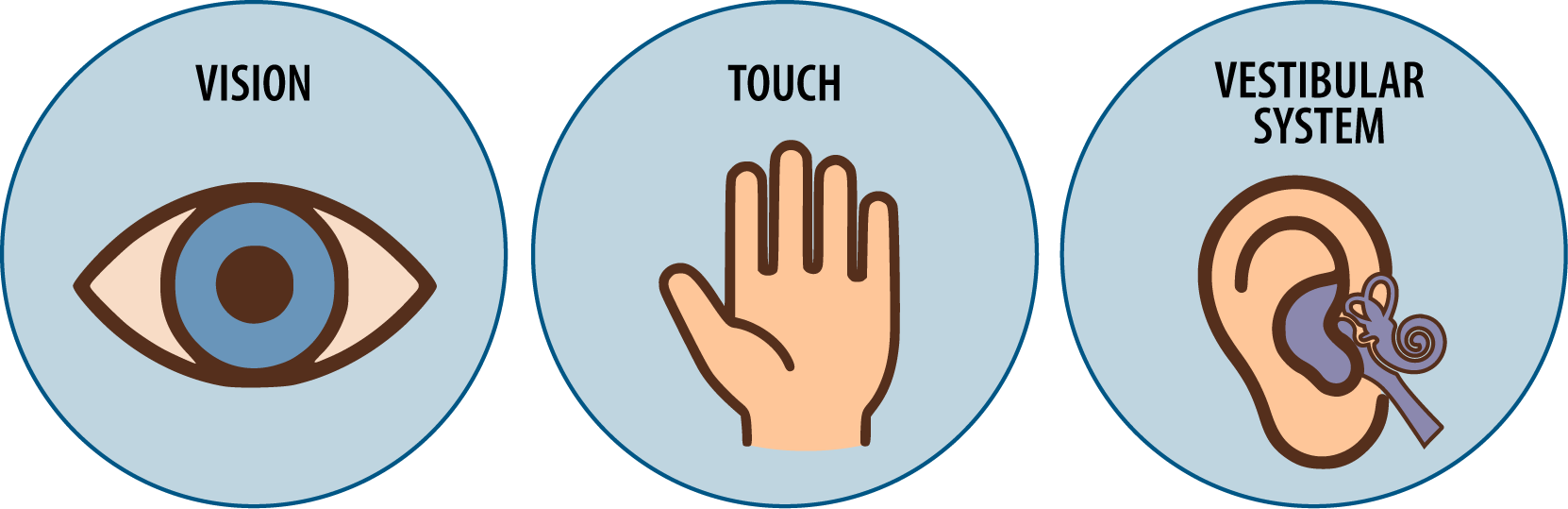
Researchers describe a spatial hearing map as the brain’s ability to use sound to mentally envision the environment around you.
We often think of a quiet room as simply peaceful. But when hearing loss dims explanatory sounds around us, the brain has less sensory data to depend on. Research suggests surrounding sounds provide additional cues that, via spatial awareness, help keep our life safely in balance.
A study published in Frontiers in Neuroscience described how healthy adults stood blindfolded on a balance platform, first in silence, then in the presence of everyday ambient sounds. Participants swayed measurably less when sound was present and as richer soundscapes were introduced, steadiness improved further, with sway reduced by up to 15% compared to silence. 1
Have you or a loved one noticed…?
- Feeling less steady in a very quiet room
- Feeling disoriented in an unfamiliar space
- Feeling less confident when moving around without familiar sounds
- Having difficulty staying oriented while moving through a quiet environment
Did You Know?
As sensory landmarks for your brain, meaningful sounds help us recognize our daily environments.
Researchers refer to this as an “auditory anchorage” effect; the idea that sounds can provide spatial information that helps the brain stay oriented. 1
A 2025 review of over 5 million people found adults with hearing loss were 51% more likely to have already fallen and had a 17% higher risk of a future fall even after ruling out vision and balance problems as the cause. 2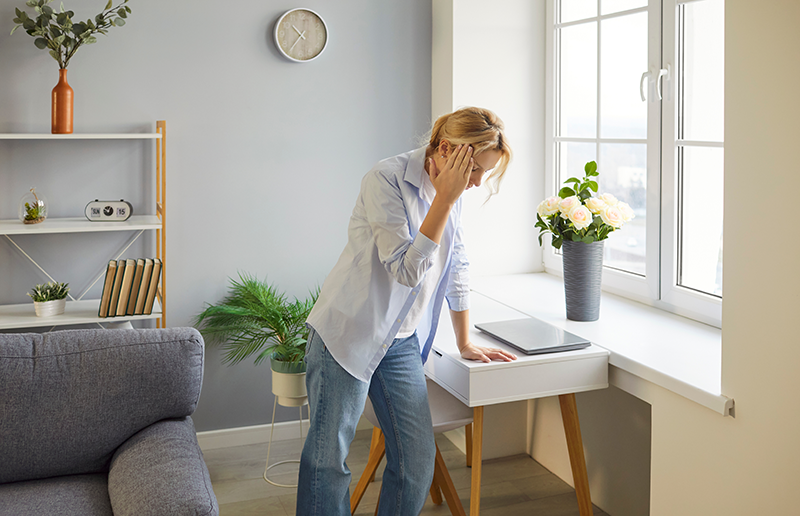
The encouraging news is that hearing can be expertly evaluated and treated. Reputable research found that hearing aid use is associated with substantially lower odds of falling, particularly among people who wear their devices consistently. One study found approximately 50% lower odds of falling among hearing aid users, with the association even stronger among those who wore their devices for at least four hours a day. 3
If you or a loved one has noticed feeling less steady, please don’t wait to have it checked. In close coordination with your other medical providers, we will optimize your hearing’s capacity to sensibly support your overall balance and well-being.
By keeping your vestibular system in balance and steps steady, you will be Happy to Hear.
1 https://www.frontiersin.org/journals/neuroscience/articles/10.3389/fnins.2017.00357/full
2 https://jamanetwork.com/journals/jamaotolaryngology/fullarticle/2831342
3 https://pubmed.ncbi.nlm.nih.gov/37314100/