Active restaurant conversations are frequently hard to decipher when surrounding background noise clashes with your hearing. Our audiology clinic conducts specialized testing to evaluate hearing in both quiet sound booths and noisy simulations to isolate the underlying cause. As soon as we identify the physiological cause of your difficult hearing, we deliver personalized rehabilitation options. […]
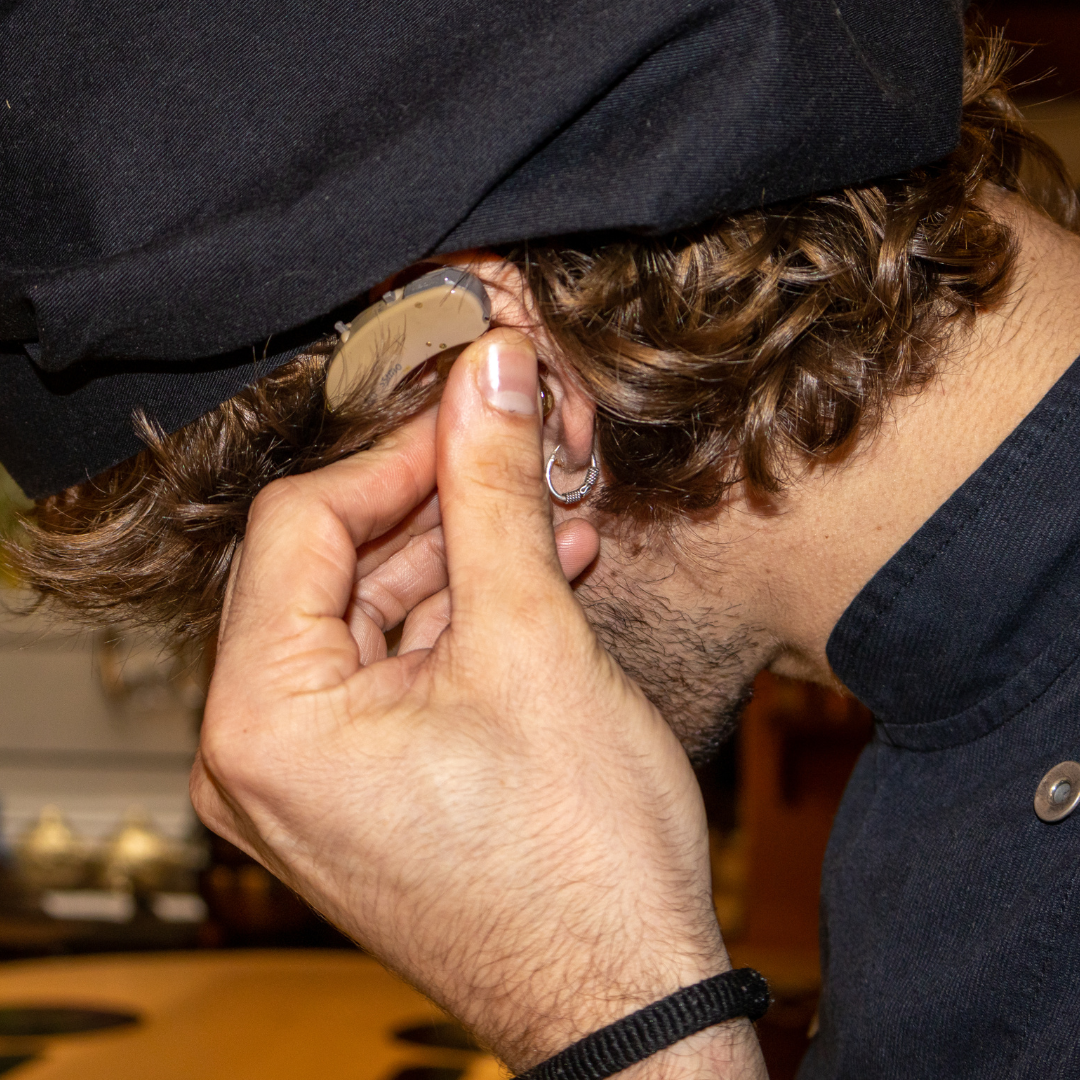
Advanced hearing aids are engineered to support your distinct hearing loss challenges. No matter if you recently acquired hearing aids or have relied on them for decades, should your hearing aids generate headaches or any form of soreness, effective options exist. An appropriately set hearing aid will remain comfortable in your ear canal and deliver […]
As concert season fills the calendars, with porches galore humming with music, it’s a fitting time to celebrate the happy truth that hearing clearly and listening to music both contribute to a healthy, sharp mind. Enjoying music to your ears is a healthy choice for your brain. Turns out, being Happy to Hear is smart […]
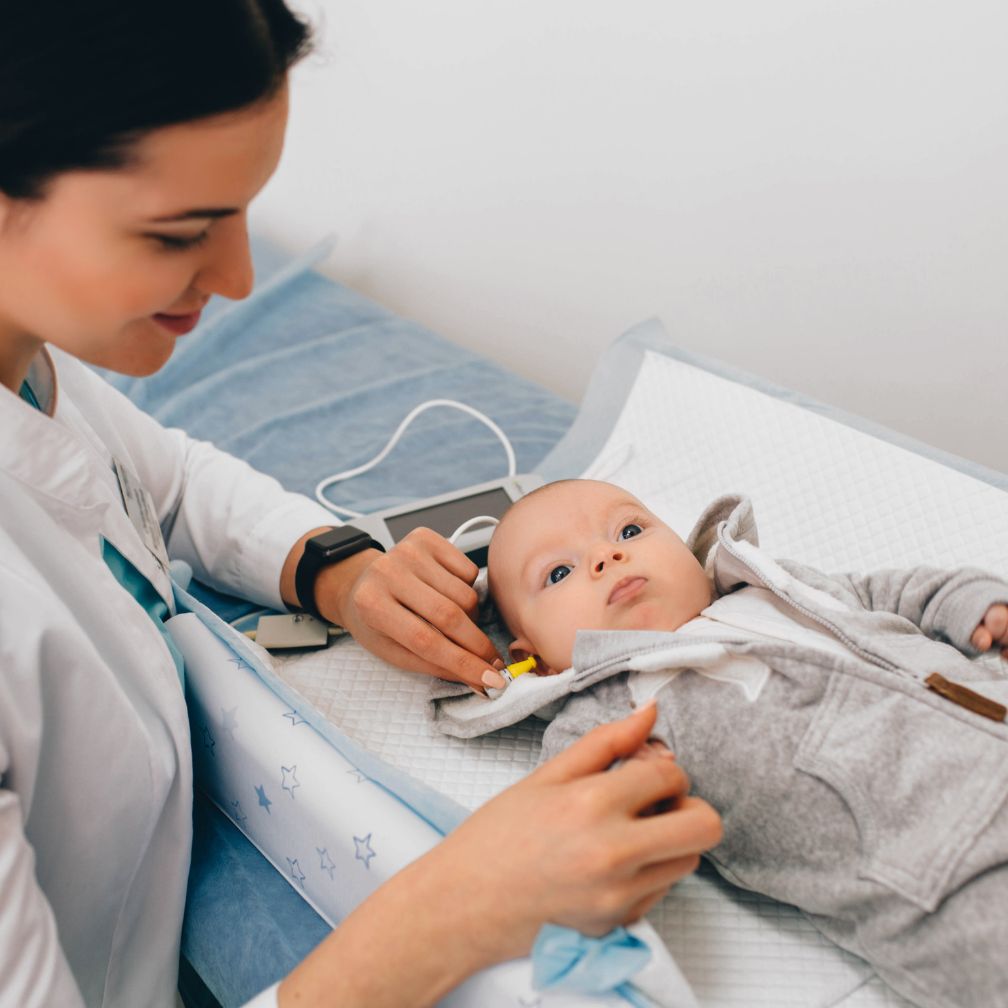
For first-time parents, learning that their baby shows hearing challenges routinely triggers immense shock and distress. But the good news is: with early detection and intervention, babies with hearing loss can genuinely thrive over time. Without question, these babies can construct spoken language, interpersonal skills, and solid relationships across their world, shaping a truly wonderful […]
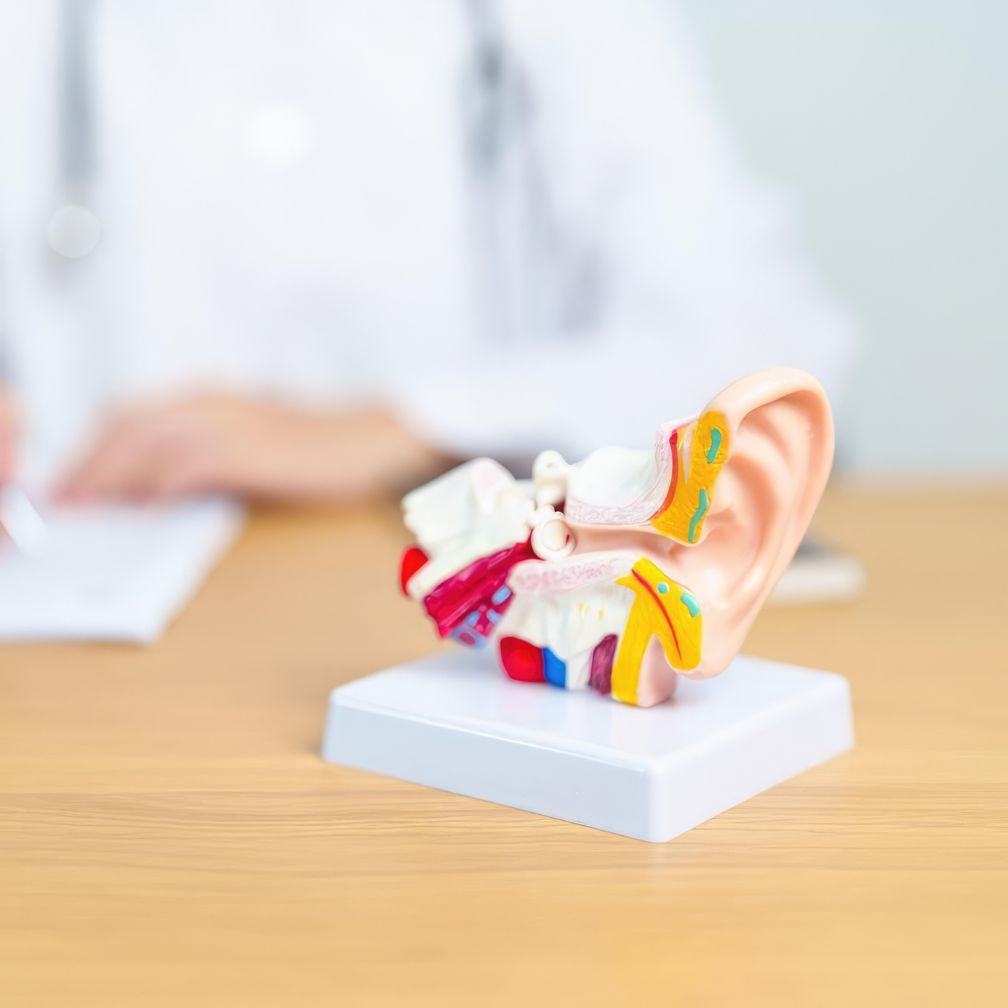
Perhaps you’ve learned that dogs with floppy ears do not hear as effectively as those with pointed ones. Predictably, animals such as felines, canines, and hamsters continuously manipulate their external ear angles to better isolate sonic vibrations across a full three-hundred-and-sixty-degree radius. Our furry friends aren’t the only ones whose ears impact the way they […]
Picture a July 4th backyard gathering. A toddler, wide-eyed at the sparklers. A teenager with earbuds in, barely looking up from their phone. A parent firing up the lawnmower before guests arrive. A grandparent leaning in just a little closer to hear the conversation. Four generations, one backyard and each family member navigating a different […]
You love your car. You wouldn’t trade the freedom you feel when you’re driving for anything, but could your car be damaging your hearing? Below, we explore the primary pathways of vehicle-related hearing loss alongside effortless preventative adjustments to protect your physical baseline. Convertibles: Assessing High-Velocity Wind and Engine Noise As with many of the […]
When a grueling day finally concludes, your entire focus shifts toward achieving a restorative night’s rest. You finally lie down, ambient environmental sounds fade away, and a piercing auditory buzz suddenly becomes completely overwhelming. If nocturnal ringing feels magnified compared to daytime levels, you are definitely not misinterpreting your symptoms. This phenomenon ranks among the […]
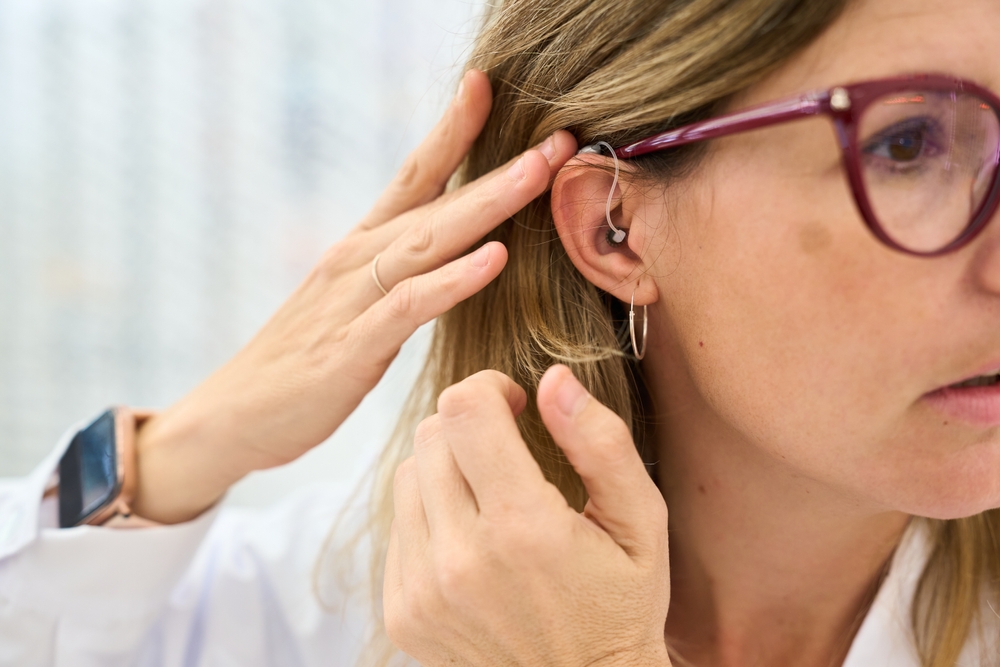
A primary reason individuals put off addressing auditory deficits is the assumption that assistive devices will be unsightly or awkward to wear. In past generations, primitive auditory devices were heavy, highly visible, and frequently viewed as an embarrassing marker of advanced age. In various scenarios, patients expressed fear that wearing an obvious device would cause […]
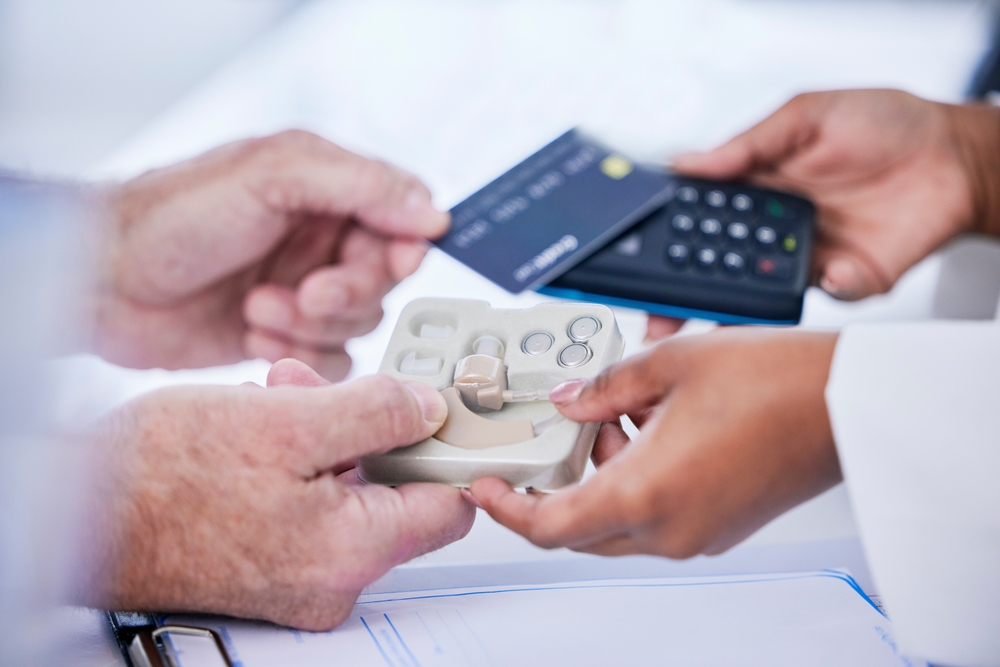
Patients researching therapeutic sound amplification often find that the initial acquisition expense stands out immediately. The total investment fluctuates significantly based on the specific acoustic gain features and the level of personalized audiology care included. For many people, that comes as a surprise, and it can understandably feel like a stopping point. The cost is […]