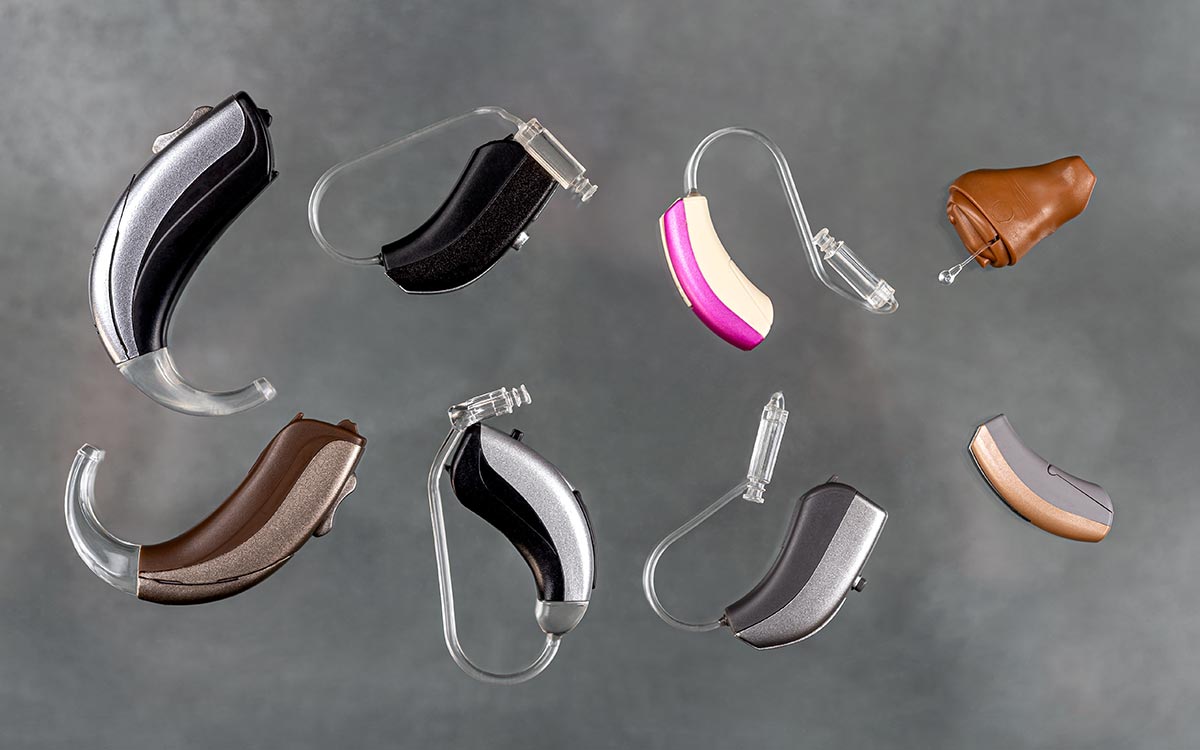
With so many options in terms of size, style, and technology, the process of picking a hearing aid can feel quite intense. But regardless of your needs, there’s an auditory solution for every lifestyle, preference, and degree of hearing loss or tinnitus. It’s just an issue of locating it!
By learning about the distinctions among various hearing aid models, you can move forward with greater confidence and knowledge. We are planning to study the primary styles available today to help you understand what sets each option apart.
ITC (In-the-Canal) Hearing Solutions
The Meaning:
These hearing aids are placed partially inside the canal, making them visible only slightly from the outside.
Why users choose them:
- Provides an understated appearance compared to traditional styles
- Individualized molding ensures long-term wearing comfort
- Designed to treat low to moderate hearing impairments
ITC devices offer an excellent equilibrium between visibility and functionality, making them an ideal choice for first-time users.
Ultra-Discreet Invisible-in-Canal (IIC) Aids
What they represent:
As the most compact custom selection, IIC aids represent the smallest available style. This style fits deep in the ear for an entirely covert appearance.
Primary Incentives:
- Highest level of invisibility for the wearer
- Provides authentic audio because of where the device sits
- Lightweight and comfortable
The small form size of IIC models renders them perfect for mild hearing loss and anyone who values an invisible hearing solution.
In-the-Ear (ITE) Hearing Aids
What they are:
These models occupy either the complete or bottom half of the outer ear bowl. These are custom-fabricated for a precise match based on your ear’s anatomy.
Why people choose them:
- The larger size makes it possible to include more internal components and longer-lasting batteries
- Provides a more manageable experience for those who struggle with tiny accessories
- Powerful enough to provide enough power for severe hearing needs while remaining in-the-ear
The all-in-one nature of the ITE design makes it an ideal choice for those who dislike behind-the-ear equipment.
Exploring BTE Styles
Operation:
BTE hearing aids sit securely behind the ear. These models utilize a custom earmold or tubing to funnel sound inside.
Why people select them:
- Regarded as one of the most dependable and sturdy designs available
- Can be programmed to help users with everything from mild to profound loss
- The spacious casing enables high-tech extras and built-in power cells
The combination of ease of use and powerful audio makes BTE aids a top contender for many patients.
RIC (Receiver-in-Canal) Overview
What they represent:
In a modern model, the speaker is separated from the main casing and placed inside the canal via an ultra-fine wire.
Why users select them:
- Minimizes the “plugged up” sensation for more natural hearing
- Users appreciate the slim profile and comfortable fit for all-day use
- RIC technology is highly versatile for various different audiogram profiles.
RIC units are extremely popular today because they balance appearance with powerful functionality.
Extended-Wear Hearing Aids
Introduction:
An audiologist inserts these specialized hearing aids deep into the canal, where they stay for multiple weeks.
Why individuals select them:
- Perfect for users who want to bypass the routine of handling hearing aids daily
- Almost hidden
- Engineering enables them to remain in the ear during all facets of daily life
Extended-wear devices are perfect for patients who want an effortless approach.
Connected Wireless Solutions
Operation:
These are modern units fitted with wireless technology to sync with your personal electronics and televisions.
Digital Advantages:
- Stream calls, music, and audio directly to the hearing aids
- Gives you the ability to fine-tune your volume and programs via an electronic app
- Enhanced convenience for modern lifestyles
You can locate Bluetooth capabilities built into a variety of form factors, from RIC and BTE to custom ITC designs.
Surgically Placed Middle-Ear Solutions
Design Overview:
An operatively implanted device that physically vibrates the middle ear bones to amplify sound.
Who they are for:
- Provides an answer for individuals with anatomy that prevents the use of conventional aids
- This is a specialized choice for those with chronic ear canal sensitivity.
Middle-ear implants are usually suggested only after a full evaluation by an ENT specialist.
Choosing the Right Model for You
Since each hearing aid design has distinct strengths, the best choice is based on your specific hearing needs, your daily activities, and your aesthetic goals. A hearing professional is your best resource for evaluating these options and finding an ideal choice for your daily routine.
Start moving toward a world of better sound by arranging a consultation with a hearing specialist. Your future of confident interaction starts with this first hearing evaluation.
Sources:
https://www.mayoclinic.org/diseases-conditions/hearing-loss/in-depth/hearing-aids/art-
20044116
https://www.hearinglife.com/hearing-aids/types
https://www.nidcd.nih.gov/health/hearing-aids