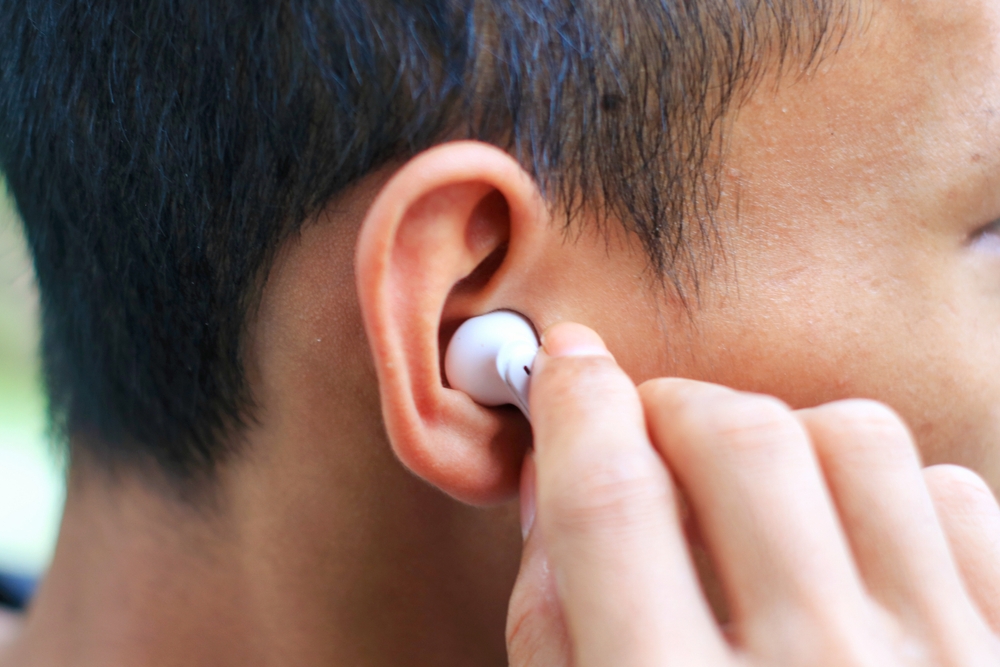
It is increasingly uncommon to observe a young adult in a public setting without an earbud in place. Even with their larger footprint, headphones remain a popular choice for teenagers looking to disconnect from the world. Musical enjoyment knows no age limit, though the younger generation has integrated it more deeply into their daily transitions. Does the immediate physical closeness of these transducers to our ears result in measurable hearing loss? Clinically speaking, the hardware is not the culprit; rather, the risk lies in human behavior and exposure levels.
The Risks of Prolonged High-Decibel Exposure
The right music can induce a state of relaxation, provide spiritual comfort, or drastically boost energy levels. Depends on the music. Using a headphone or an earbud is a polite way to listen without disturbing others. Most individuals view this as a positive etiquette, especially within the confined spaces of a bus or train.
The real questions are: how loud is too loud, and how long is too long? The biological fact is that high-intensity sound waves are inherently damaging to the auditory system. When you listen for too long a time and at a very loud volume, you can irreparably damage your hearing. Hearing loss occurs gradually, so by the time you realize what’s happening, it may be too late.
The Biological Impact of High-Intensity In-Ear Audio
The intensity of the decibels is the leading risk factor for permanent auditory trauma. Yet, we must remember that the length of time spent listening is equally important as the decibel level.
- According to the NIH, maintaining a threshold below 70 dB ensures safety, even during extended listening periods.
- The rate of auditory trauma increases exponentially as the decibel level rises.
- To protect your ears, utilize the 60/60 guideline: never exceed 60% power and rest after 60 minutes of use.
- Protect your hearing by turning down the volume on your device and limiting your exposure.
Warning Signs of Hearing Loss
If you commonly hear muffled sounds, find it difficult to understand conversations in noisy places, have ringing in your ears (tinnitus), and frequently ask people to repeat what they said or to speak louder, it’s time to have a hearing exam with a professional.
Contact our office today if you suspect you may have hearing loss.