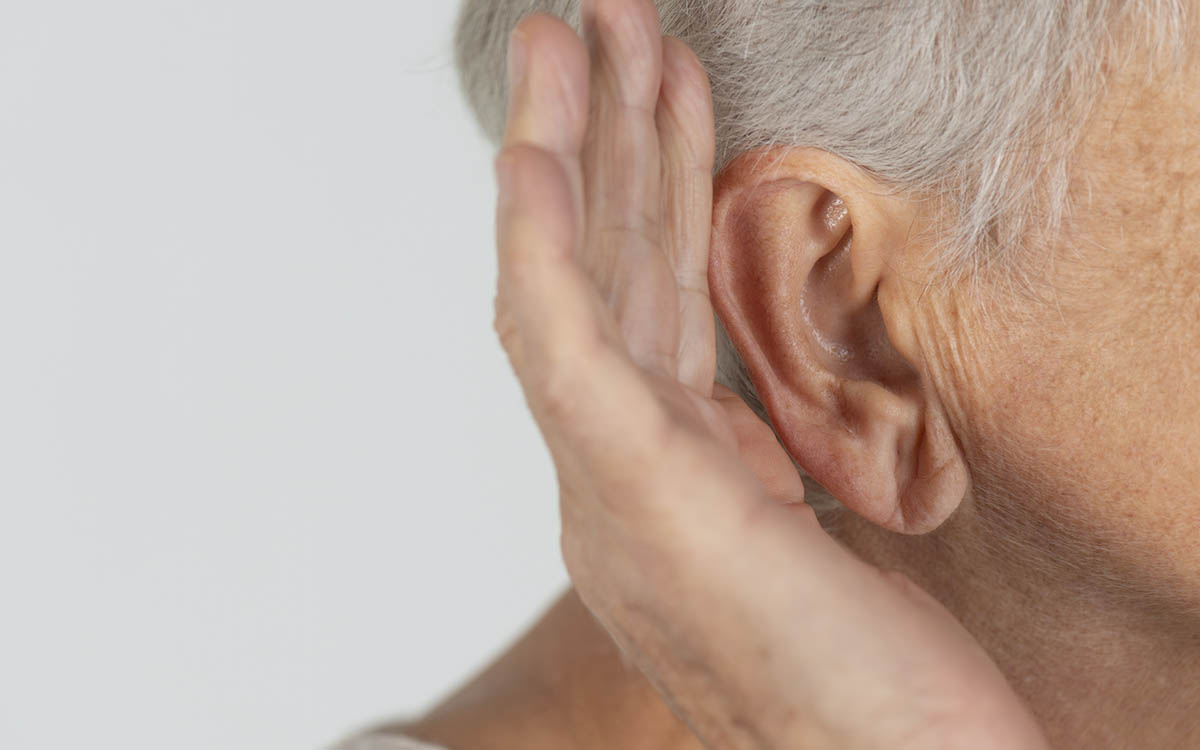
Commonly, clinicians link hearing loss with advancing age, but for millions of Americans, ear injury manifests significantly sooner. As one of the most prevalent and avoidable types of auditory impairment, noise-induced hearing loss typically progresses slowly, escaping notice until it becomes a permanent condition.
Grasping the longitudinal impact of sound exposure on the auditory system facilitates proactive protection before major hearing loss develops.
Understanding the Clinical Nature of Noise-Induced Hearing Loss: An Overview
Noise-induced hearing loss is characterized by the degradation of intricate inner ear components. According to the Centers for Disease Control and Prevention, auditory impairment may begin with chronic exposure to noise levels over 85 decibels. Higher intensity sounds, including those generated by machinery, music venues, or firearms, may result in immediate damage.
Inside the inner ear are tiny sensory cells called hair cells. These units are responsible for translating sound waves into the electrical signals required for auditory perception. Because hair cells cannot repair or replace themselves once damaged, hearing loss resulting from noise is generally a permanent physiological state.
Analyzing the Accumulation of Ear Damage
One of the most concerning aspects of noise-induced hearing loss is that it often develops slowly. Early-stage symptoms resulting from noise exposure often include:
- Transient auditory sensations such as ringing or buzzing (Tinnitus)
- A feeling of muffled hearing after loud events
- Challenges involving speech comprehension within high-noise settings
Initial symptoms may subside, frequently resulting in the incorrect assumption that hearing function has returned to baseline. In fact, chronic noise exposure causes ongoing trauma to inner-ear anatomy, steadily eroding hearing precision.
The hearing loss Association of America estimates that 48 million individuals in the US suffer from hearing loss, many unaware of the underlying cause.
Daily Acoustic Sources Contributing to Auditory Injury
We live in a noisy world, and it’s easy to become desensitized to loud sounds. Due to this, the commonality of injurious sound exposure often goes unrecognized.
Typical noise-generating sources consist of:
- Concert settings and loud musical performances
- Personal audio devices utilized at excessive decibel levels
- Industrial tools, lawn maintenance equipment, and motorcycles
- Industrial workplace environments such as warehouses and construction sites
Due to the routine nature of these sounds, auditory injury may accrue in the absence of overt symptoms.
The Reason Auditory Prophylaxis Remain a Critical Priority
A distinguishing factor of noise-induced hearing loss is the lack of clinical reversal options. The condition is, however, susceptible to effective preventative strategies. Adopting straightforward preventative behaviors can markedly decrease the likelihood of injury, including:
- Using earplugs or noise-reducing earmuffs in loud environments
- Modulating audio output levels and observing 60/60 rule constraints
- Implementing quiet intervals to permit the auditory system to rest
- Ensuring consistent Audiology check-ups for those in high-noise environments
Indicators to Seek Clinical Hearing Care
Patients observing ongoing Tinnitus, challenges in conversation, or shifts in auditory acuity should contact an Audiologist. Timely professional assessment facilitates the creation of a management plan to maintain long-term auditory health.
Proactive ear protection in the present is essential for maintaining future auditory function. Noise may be unavoidable, but hearing loss doesn’t have to be!. Contact us to coordinate a comprehensive evaluation and ensure your auditory system is functioning at its peak.