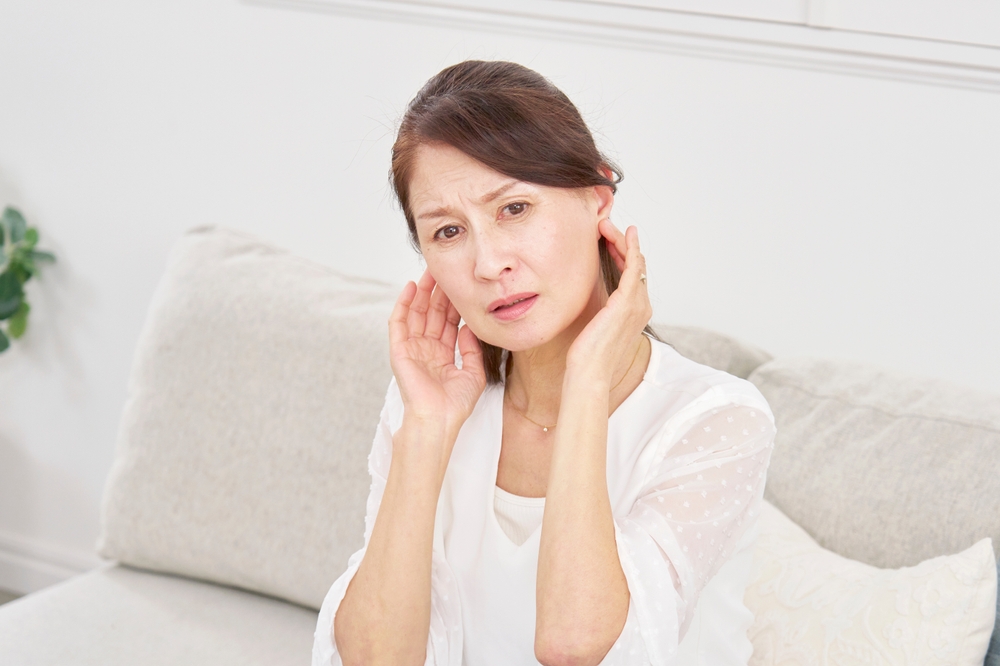
Discovering an unexpected inability to hear upon waking is a truly distressing scenario. This type of hearing impairment is strikingly sudden, often appearing without any physical discomfort or advanced signals. Although simple blockages are frequent, more serious auditory conditions require a swift medical assessment.
Learning why hearing drops suddenly and prioritizing immediate care is imperative for future health. This overview explores the mechanics of rapid hearing changes, likely triggers, and the requirement of expert audiology care.
The Clinical Definition of Sudden Hearing Changes
Sudden hearing loss typically refers to a swift decline in hearing covering several hours to a limit of three days. The condition frequently impacts a single ear, though bilateral loss is seen in rarer cases. Individual experiences vary from clouded hearing and tinnitus to a distinct sense of congestion or vocal distortion.
Navigating SSHL: A Medical Priority
Among all triggers, SSHL demands the most immediate clinical assessment.
This impairment occurs when there’s a problem with the inner ear, auditory nerve, or brain pathways involved in hearing. Though a definitive cause may be difficult to pin down, the following factors frequently play a role:
- Decreased vascular supply to the delicate inner ear structures
- Swelling or immune response
- Underlying viral activity affecting the ear
- Disruptions in neural signaling
Because the window for successful treatment is so narrow, SSHL is handled as an urgent crisis where early care dictates the outcome.
Infection-Based Auditory Loss
Specific viral strains can cause lasting or transient hearing shifts by aggravating delicate inner ear tissues.
Viruses associated with abrupt auditory shifts include:
- Normal upper-airway viral activity
- Various strains of influenza
- Herpes-based infections
- Viral sequelae observed in select COVID-19 cases
Hearing symptoms often appear during the height of an illness or in the immediate recovery phase, sometimes with vertigo.
Hearing Loss Resulting from Physical Injury
A blow to the head, sudden pressure changes, or loud noise exposure can injure delicate structures inside the ear.
The following scenarios are typical causes of injury-based hearing impairment:
- Severe head strikes and concussive events
- Abrupt shifts in ear canal pressure
- Intense acoustic trauma
- Physical displacement of inner ear fluids
Don’t ignore minor trauma, as fast hearing changes post-injury often signal underlying damage.
Impacted Cerumen and Hearing Blockage
Though not as critical as inner ear causes, impacted earwax can still cause abrupt hearing changes.
When wax is the primary cause, the hearing change may:
- Appear over a rapid duration
- Feel like fullness or pressure
- Affect one ear more than the other
- Resolve immediately upon extraction
It is vital to remember that home evaluation is insufficient for determining the true source of sudden deafness. That’s why professional evaluation is critical.
Less Common Drivers of Sudden Hearing Impairment
Other variables that can influence a sudden drop in hearing include:
- Secondary reactions to certain medications
- Vascular health issues affecting the ear
- Systemic autoimmune attacks on the cochlea
- Small growths on the hearing nerve
A thorough hearing evaluation helps rule out these possibilities.
Why Acting Fast Matters for Sudden Hearing Changes
The most important messages around sudden hearing loss is don’t wait and see.
Immediate diagnostic testing serves to:
- Uncover reversible causes
- Increase the likelihood that treatment will recover hearing
- Stop further hearing damage
- Minimize the impact on your long-term ability to communicate
Comprehensive audiology diagnostics provide the necessary data needed to manage the condition effectively.
Identifying Red Flags for Urgent Hearing Care
You should seek prompt medical or audiology care if you experience:
- Abrupt hearing loss in one or both ears
- Auditory shifts paired with a distinct sense of dizziness
- The rapid onset of tinnitus or aural fullness
- Auditory decline following a sickness or physical trauma
Even if symptoms improve, you still require a formal assessment to identify the root cause.
Utilizing Diagnostics for Fast Hearing Results
A professional test provides an immediate answer as to whether the impairment is:
- Conductive in nature, often caused by physical obstructions
- A sensorineural problem involving fragile neural pathways
- Transient or potentially permanent
Timely testing supports faster treatment decisions and better outcomes.
Final Thoughts on Addressing Abrupt Hearing Loss
It is normal to feel alarmed by sudden deafness, but immediate professional help offers the best chance for success.
Choosing to get evaluated immediately after a change in hearing ensures you are taking the right steps for your future. We are standing by to help manage your sudden hearing changes: Reach out to our team today for priority care.